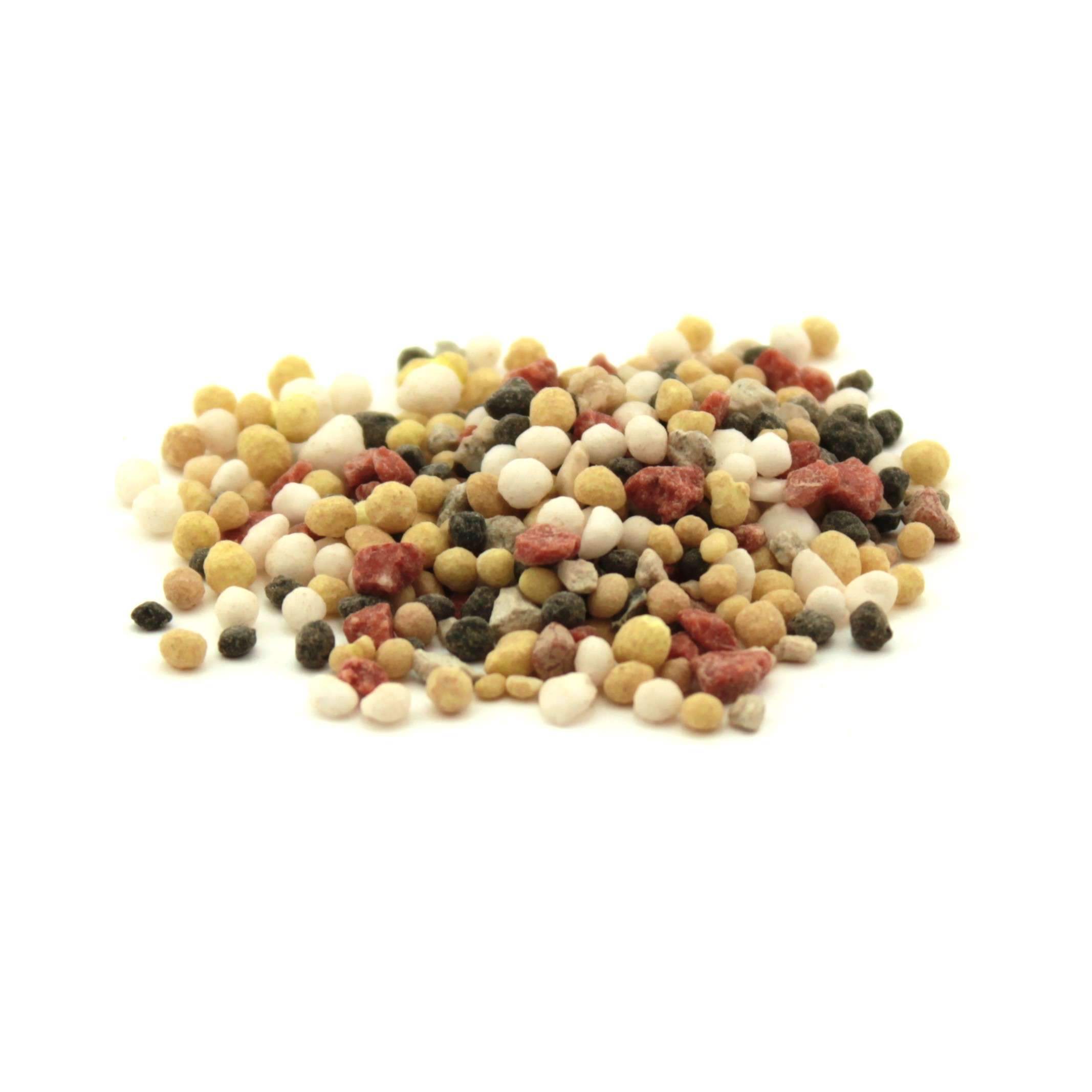

The apex of integrated plant nutrition
Granular NPK Formulated Fertilizers represent the apex of integrated plant nutrition. By combining the three fundamental macronutrients—Nitrogen (N), Phosphorus (P), and Potassium (K)—into a single, high-performance granule, we provide a comprehensive nutritional foundation tailored to the specific physiological demands of every crop.
Sinergy of the “Big Three” Macronutrients
Our NPK formulations leverage the unique strengths of each element to ensure systemic plant health:
• Nitrogen (N): The primary driver of vegetative architecture, fueling chlorophyll synthesis and rapid leaf development.
• Phosphorus (P): The metabolic engine, essential for ATP energy transfer, deep root colonization, and reproductive success.
• Potassium (K): The biological regulator, governing osmotic water balance, strengthening cellular tissue, and elevating final fruit quality and shelf life.
The Power of Custom Ratios
The “NPK Profile” is the technical blueprint of our formulations. Each ratio is precisely engineered to target specific growth phases or soil deficiencies. For example, a 10-20-10 formulation provides a phosphorus-rich environment ideal for root establishment, while other bespoke ratios can be developed to optimize vegetative vigor or fruit maturation. This flexibility allows growers to deploy a high-efficiency solution that evolves with the crop’s lifecycle.
Advanced Granulation & Field Efficiency
The industrial granulation process ensures that every single pellet contains the exact nutrient ratio required. This physical uniformity prevents “nutrient segregation” during transport and application, guaranteeing a perfectly consistent distribution across the field. By utilizing ADUBAI’s expertise in precision application and soil analysis, our partners can avoid the risks of nutritional imbalance. We provide the technical support necessary to determine the optimal timing and dosage, turning balanced nutrition into a decisive competitive advantage for global agricultural productivity.